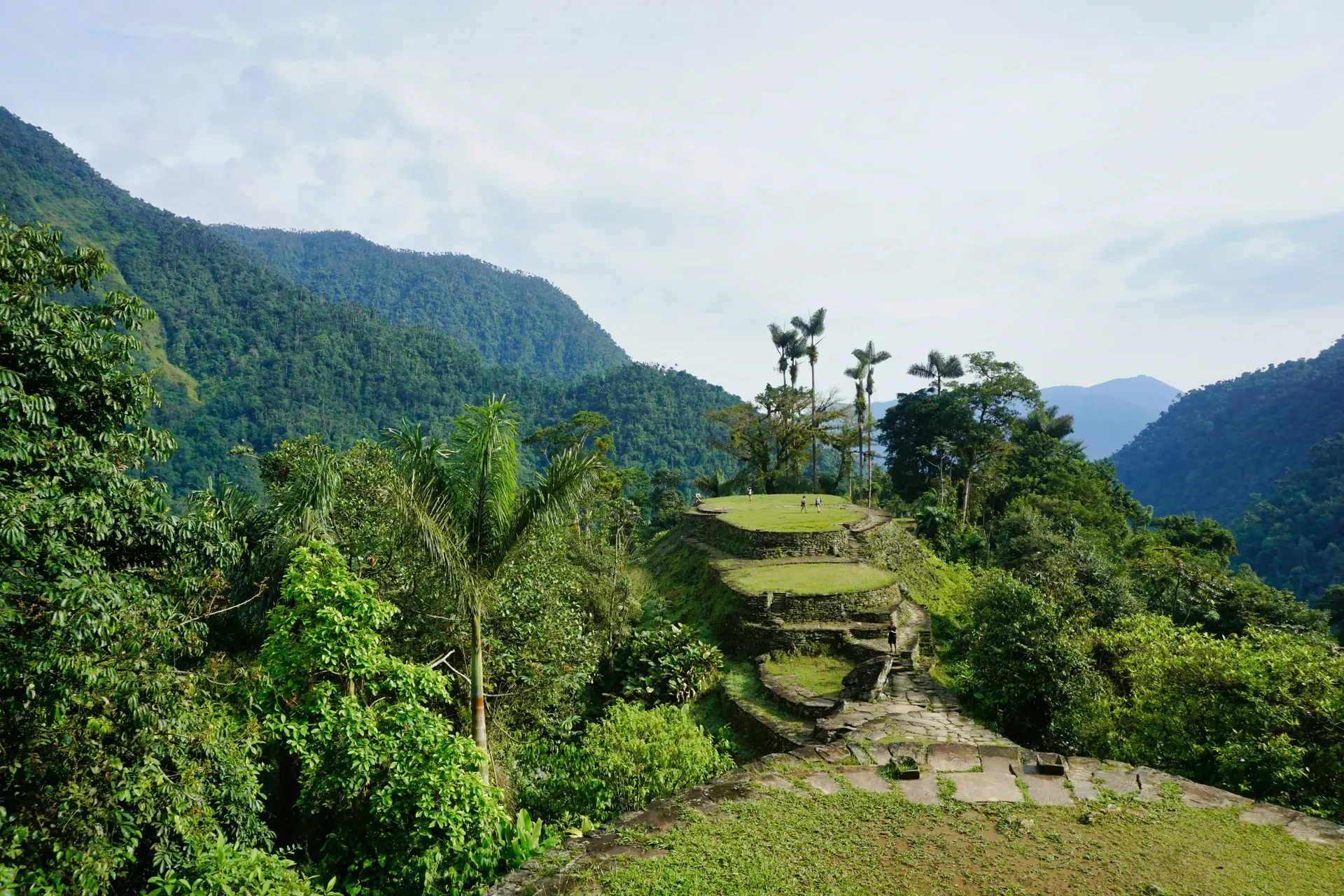
Built by the Tairona civilization in 800 AD, this 86-acre archaeological site predates Machu Picchu by 650 years. Accessing the 169 stone terraces requires a multi-day hike through the Sierra Nevada de Santa Marta mountains and a final climb up 1,200 ancient steps.
Find Guided ToursCiudad Perdida, also known as Teyuna or Buritaca-200, is an ancient pre-Columbian archaeological site in the Sierra Nevada de Santa Marta mountains of northeastern Colombia. Sitting at an elevation of nearly 3,000 feet, the ruins spread across 86 acres of rugged mountain slopes surrounded by dense tropical rainforest. The site features 169 stone terraces carved directly into the mountainside, alongside a network of tiled roads and small circular plazas. Access to the city requires a multi-day hike on foot through the humid climate, culminating in a steep climb up 1,200 stone steps.
The Tairona civilization built the city around 800 AD, with some residential areas dating back to the Neguanje period around 650 AD. This construction timeline makes the site approximately 650 years older than Peru's Machu Picchu. During its peak, the city served as the region's political, spiritual, and manufacturing center, housing an estimated population of 2,000 to 8,000 residents.
During the Spanish conquest between 1580 and 1650, the Tairona people were forced to abandon the settlement. The surrounding jungle completely reclaimed the stone structures for nearly 400 years. The city remained hidden until 1972, when a group of local treasure looters known as Los Sepúlvedas found the ruins. Their looting prompted the Colombian government to dispatch soldiers and archaeologists in 1976 to officially protect and restore the area.
Today, the location holds immense archaeological and cultural value, earning a designation as a UNESCO Biosphere Reserve and World Heritage Site in 1986. The area remains a sacred ancestral heartland for the descendant Arhuaco, Kogui, Kankuamo, and Wiwa indigenous communities. These groups continue to use the site for traditional ceremonies, prompting an annual closure to tourists every October to allow for uninterrupted spiritual practices.
Discover the full history and cultural significance on our About page.
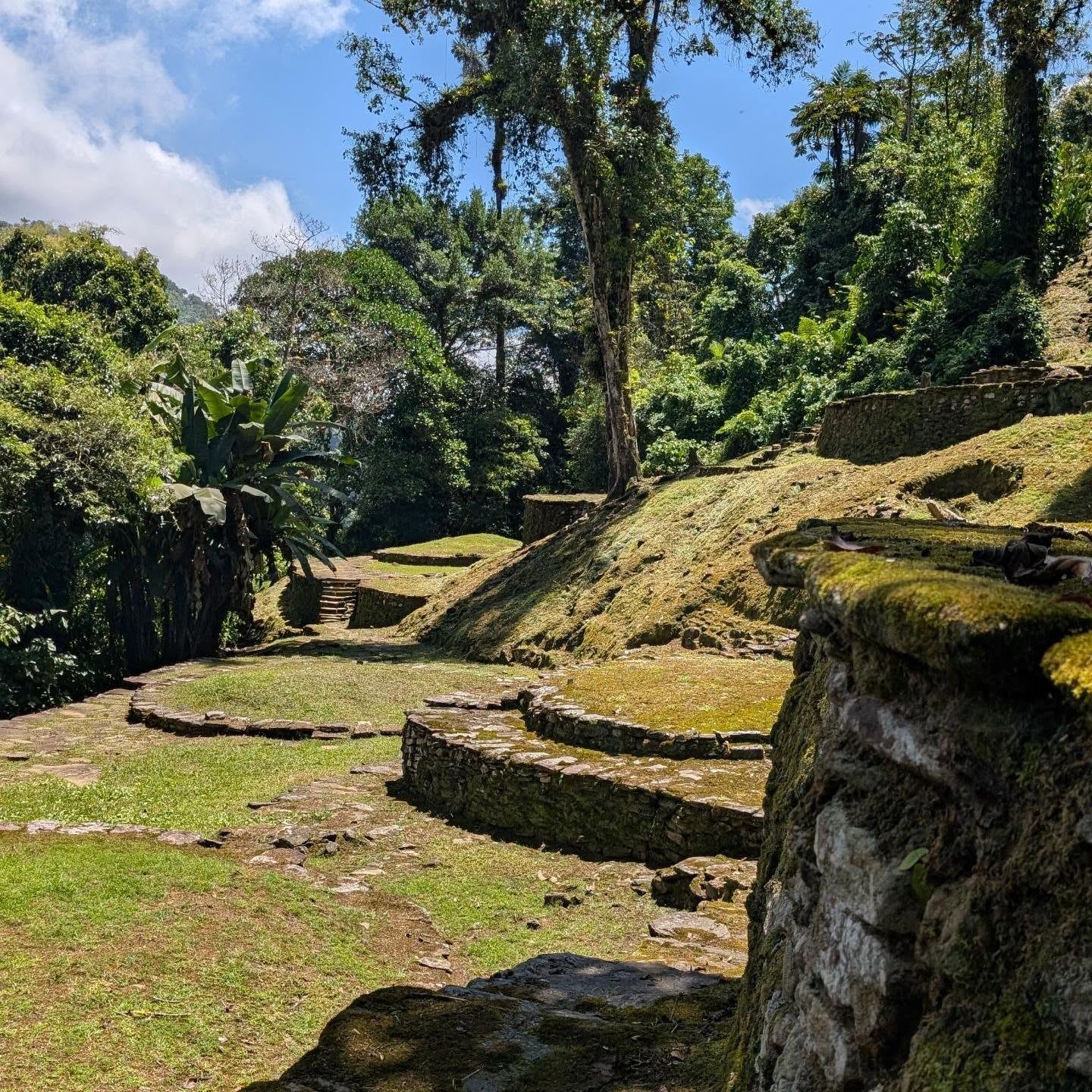
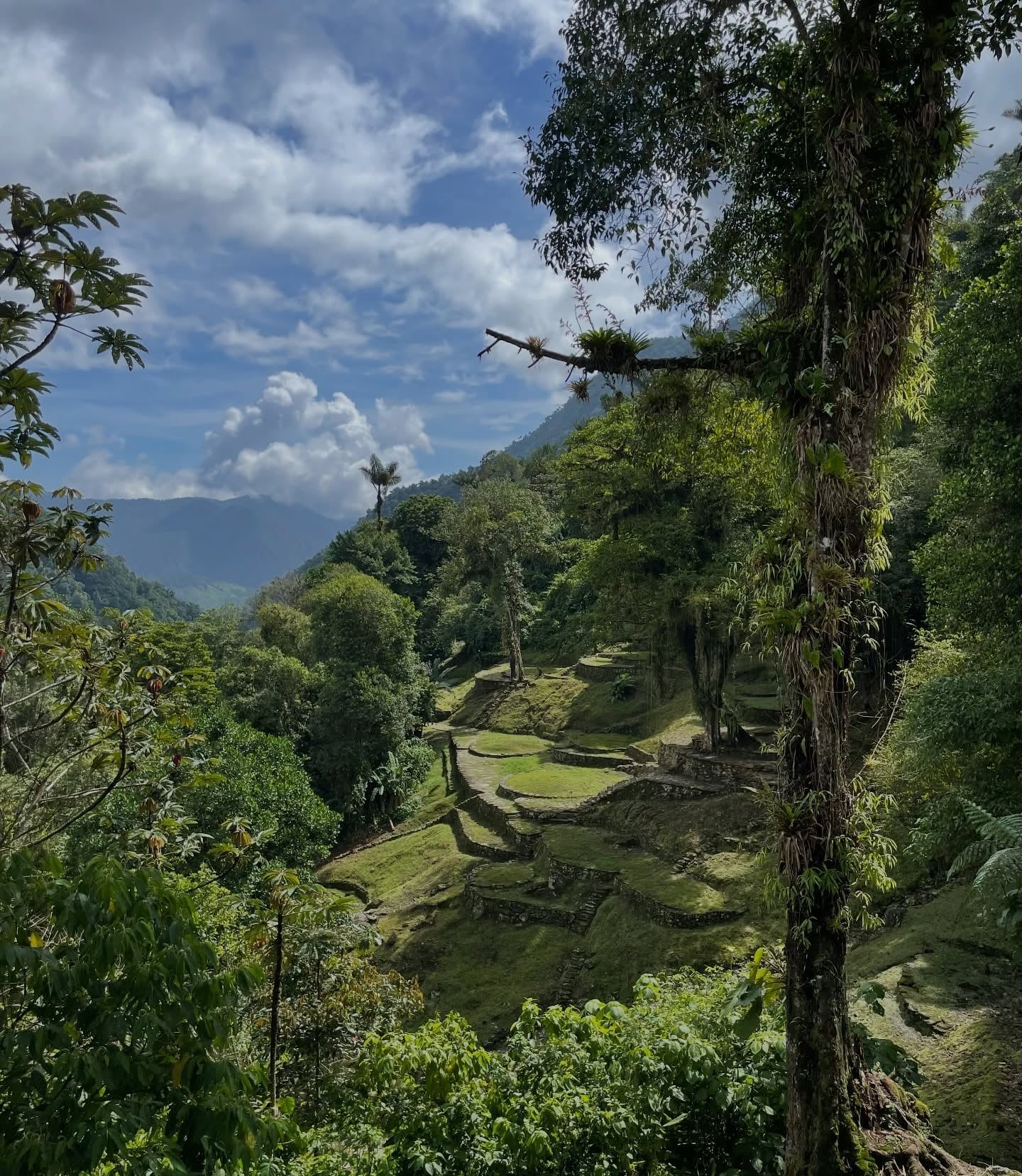
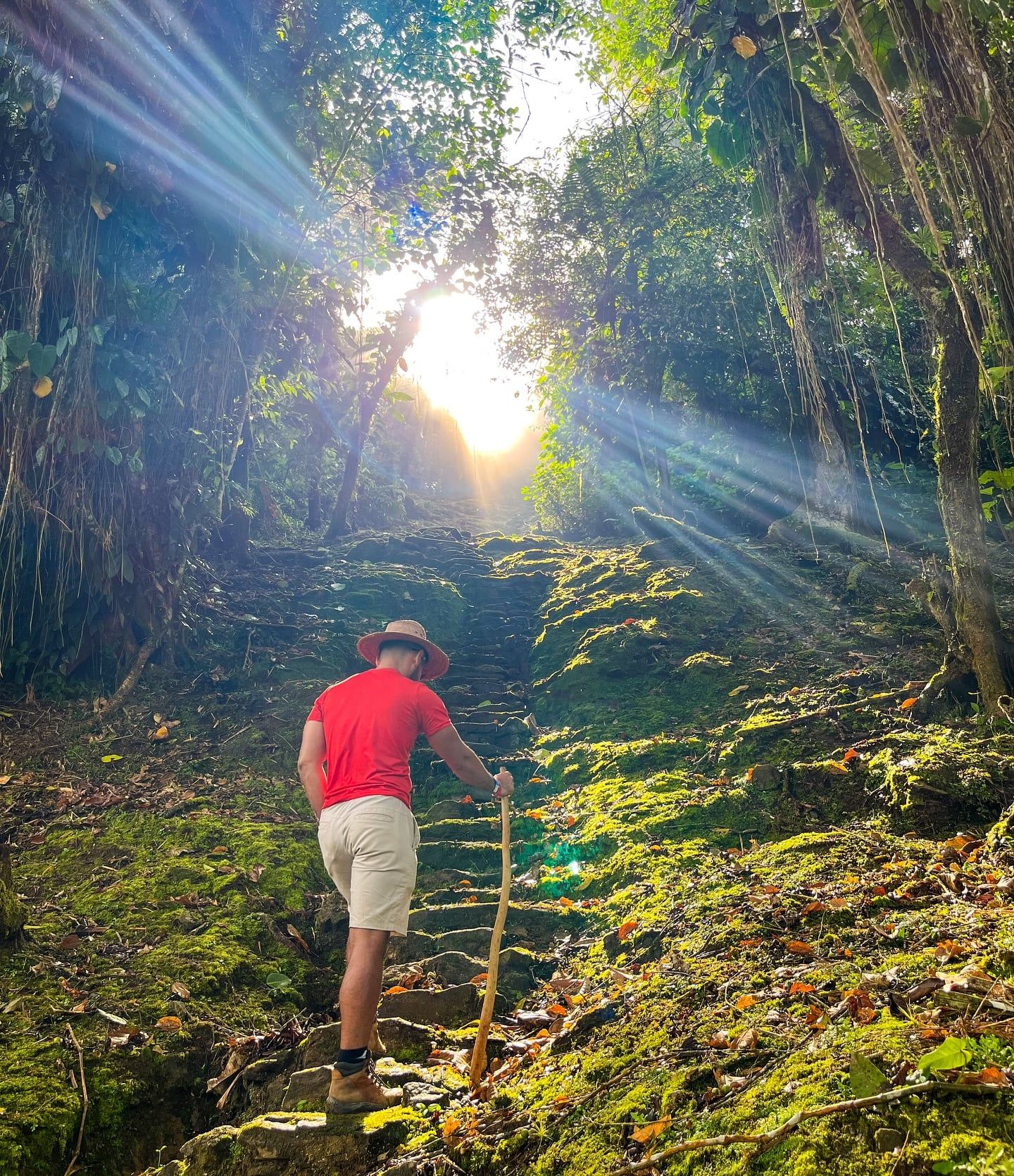
The final approach to the archaeological site requires scaling 1,200 narrow, moss-covered stairs. The Tairona people carved these steep paths directly into the mountainside over a thousand years ago. Hikers navigate the slippery, wet rock surrounded by dense, humid rainforest foliage to reach the ruins.
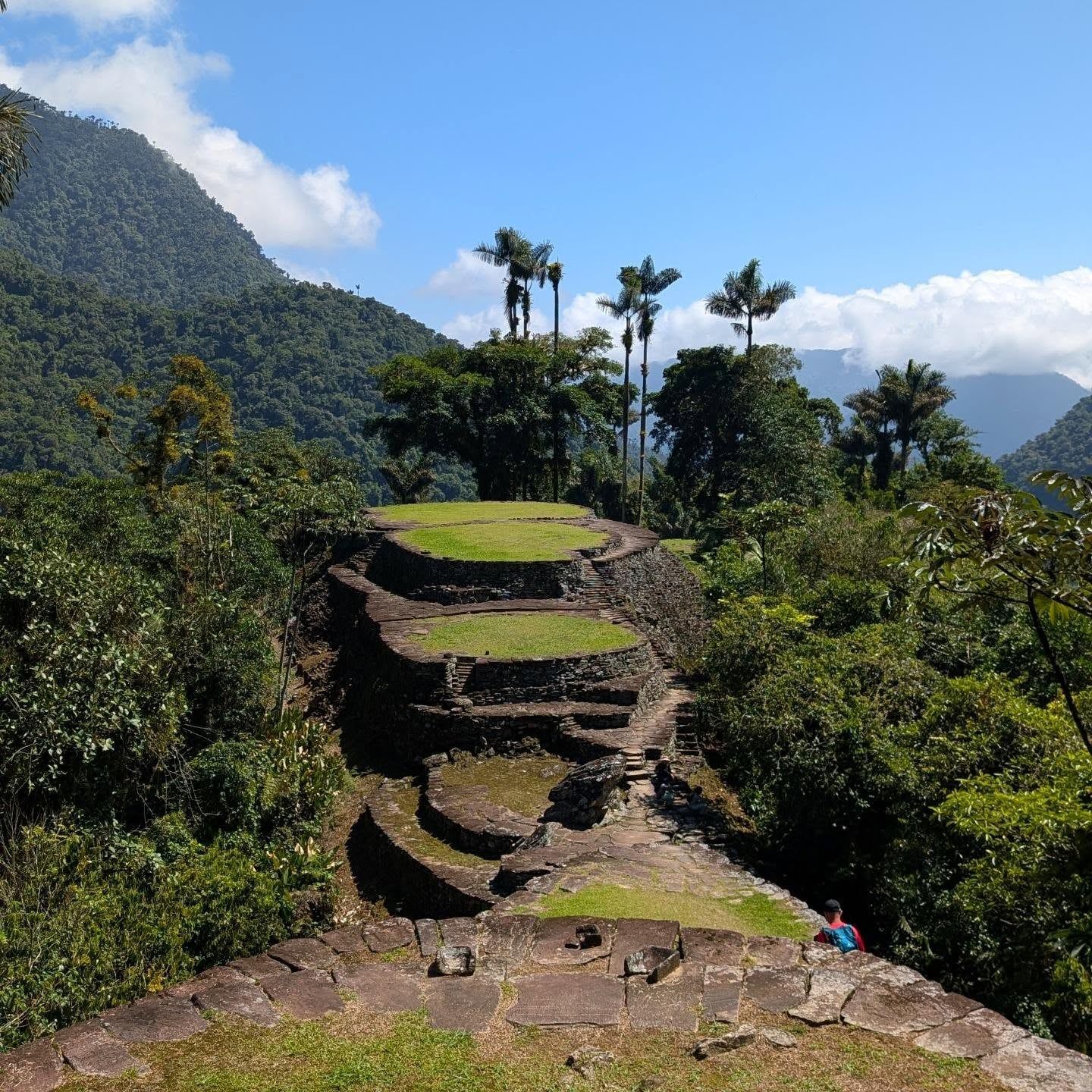
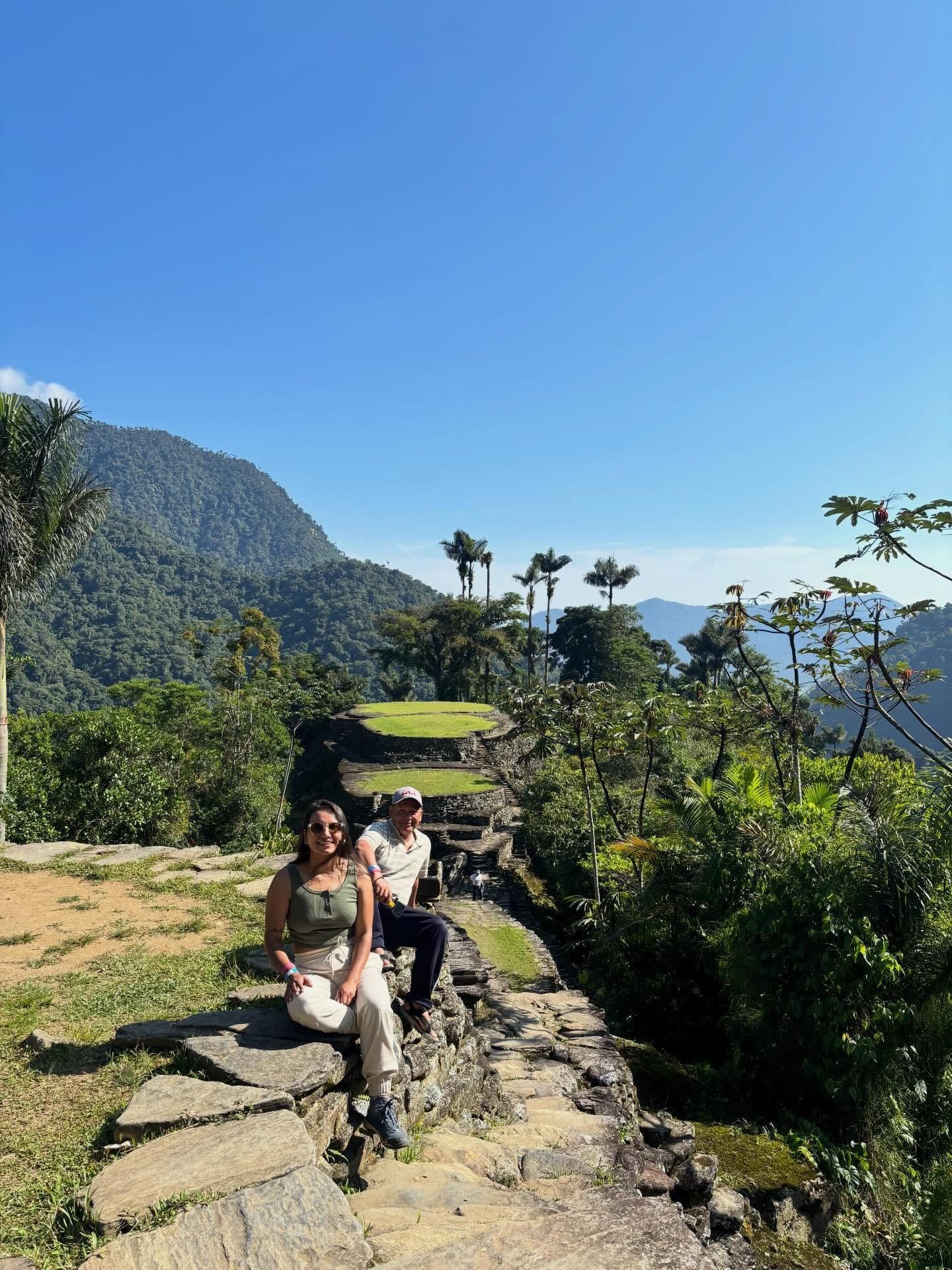
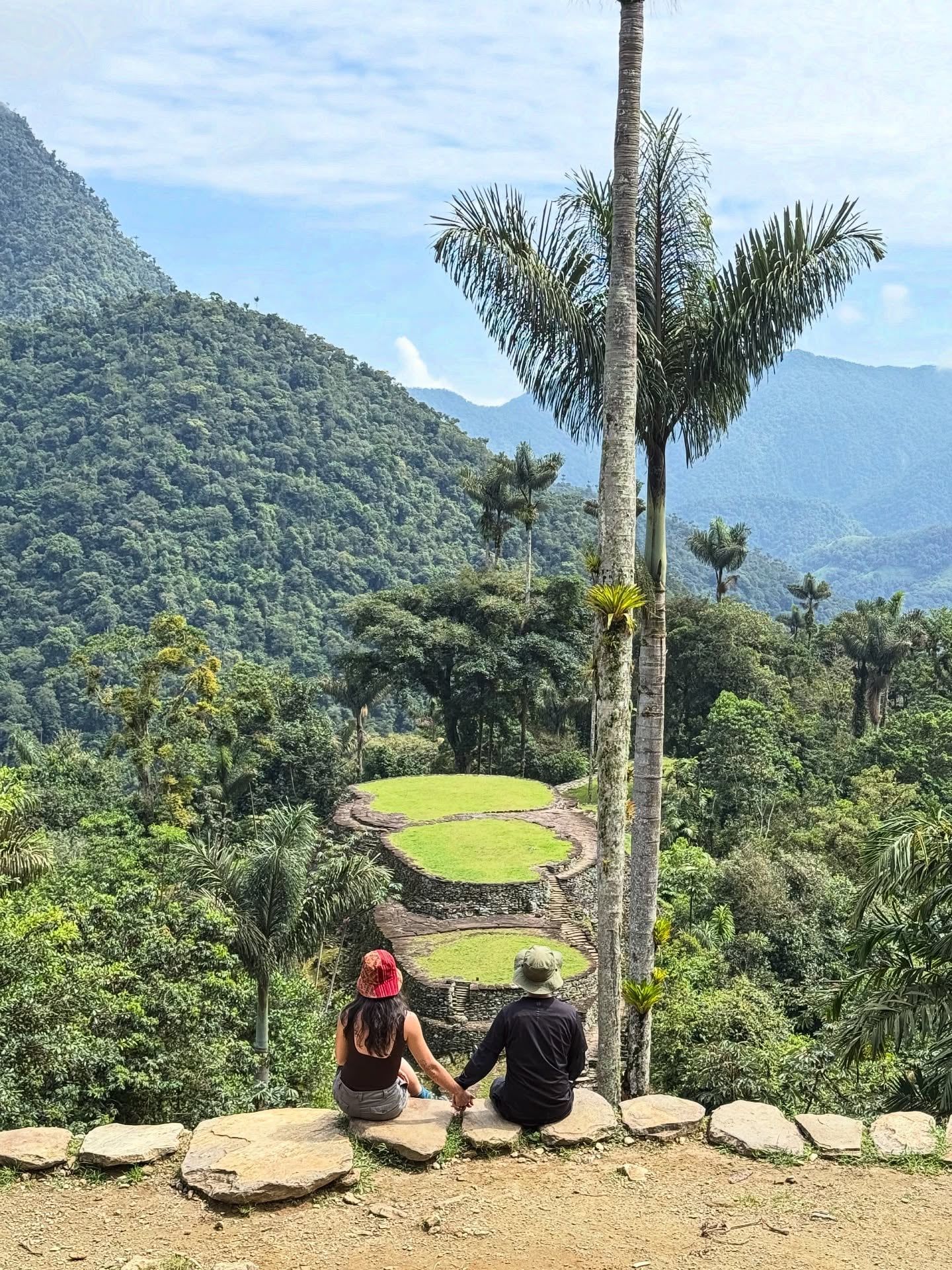
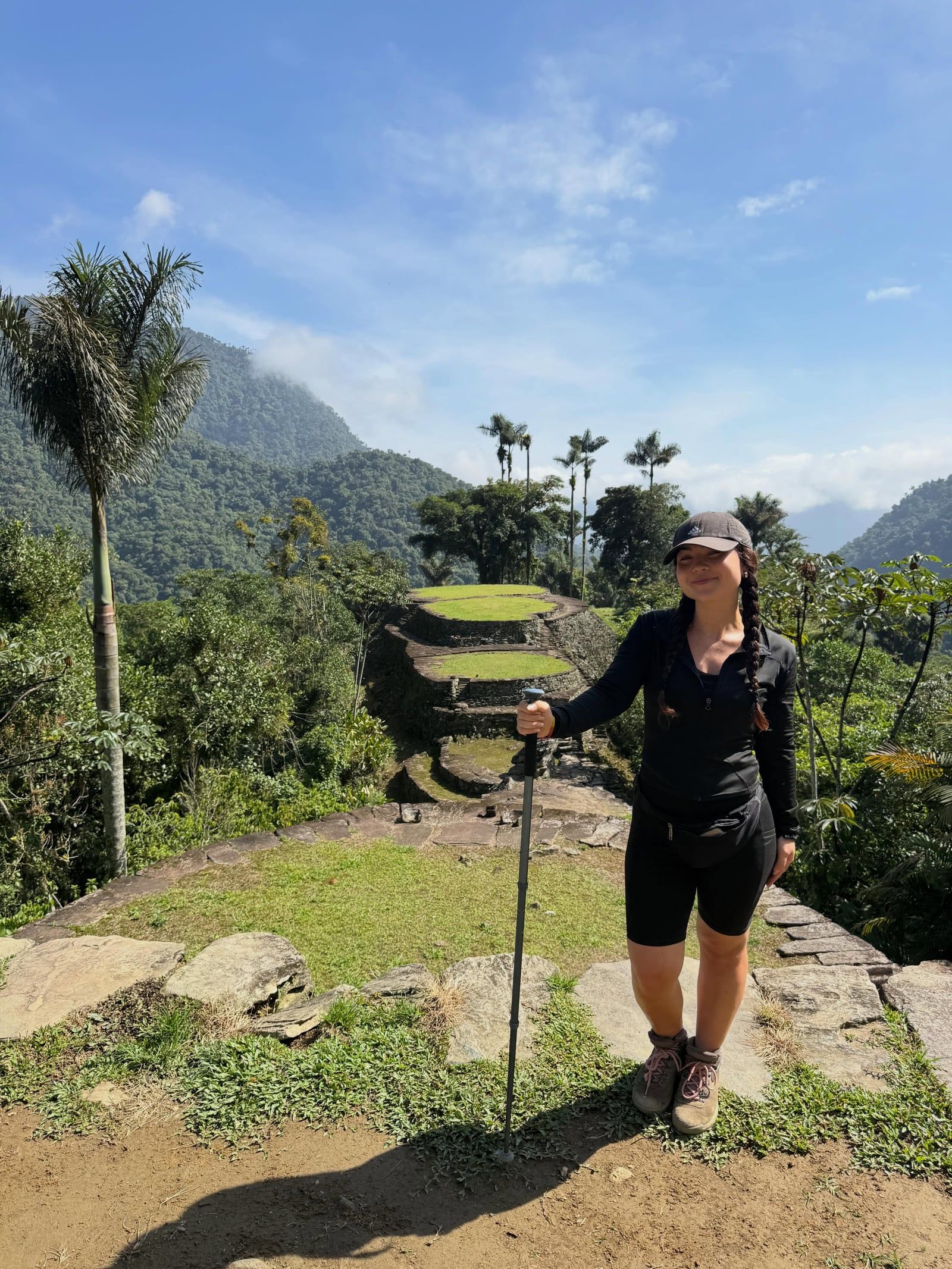
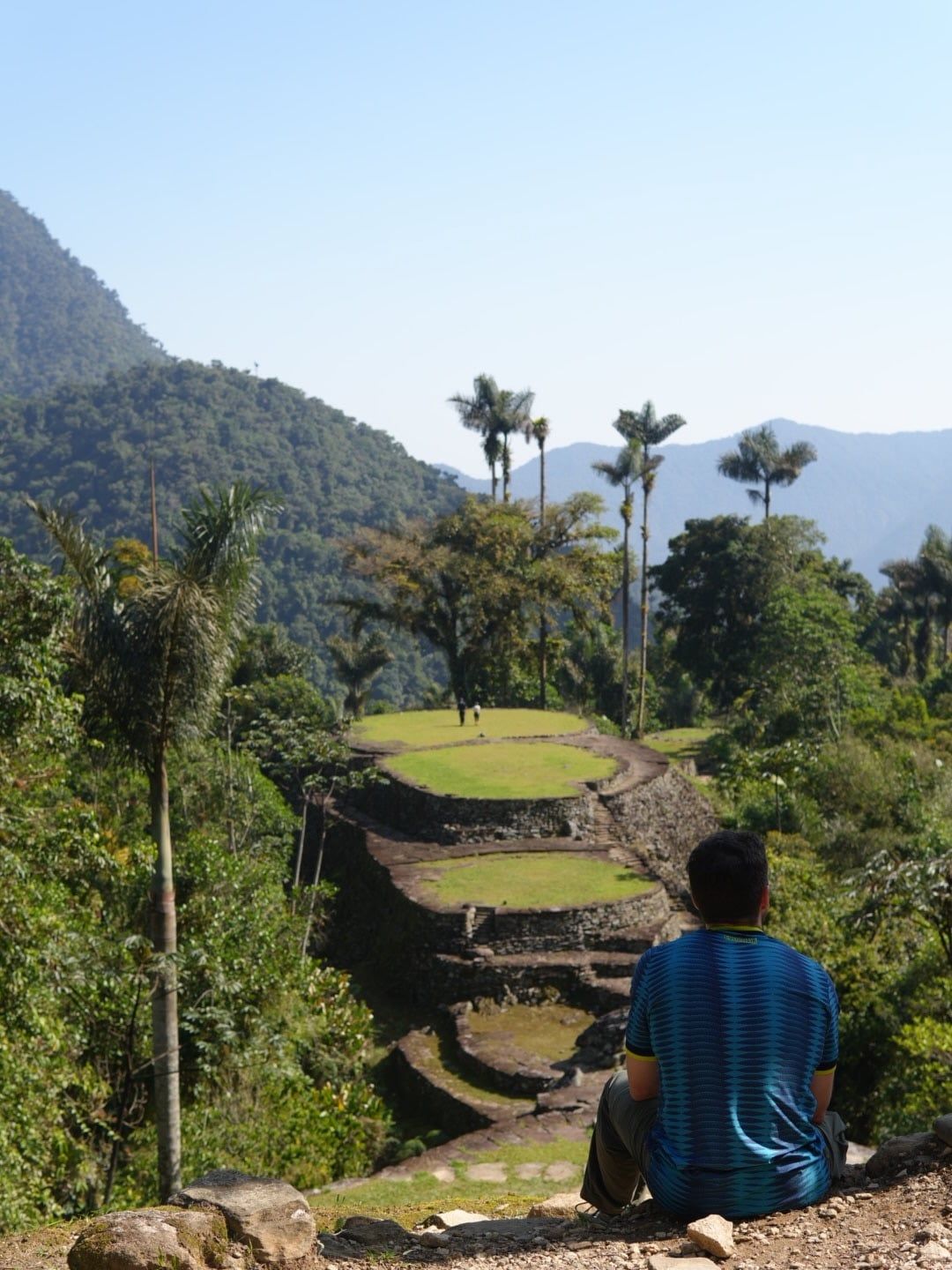
At the top of the mountain, the ruins spread across 86 acres. Visitors can sit on the edges of massive circular stone platforms at La Capilla. From this 3,000-foot elevation, the site provides sweeping, misty views of the rugged Sierra Nevada de Santa Marta peaks.
Hikers walk past circular thatched-roof huts to observe traditional pre-Columbian lifestyles. Local indigenous guides in traditional white clothing explain their spiritual connection to nature. They demonstrate the sacred paporo ritual, using hollowed-out gourds and coca leaves to maintain spiritual balance while recording their daily thoughts.
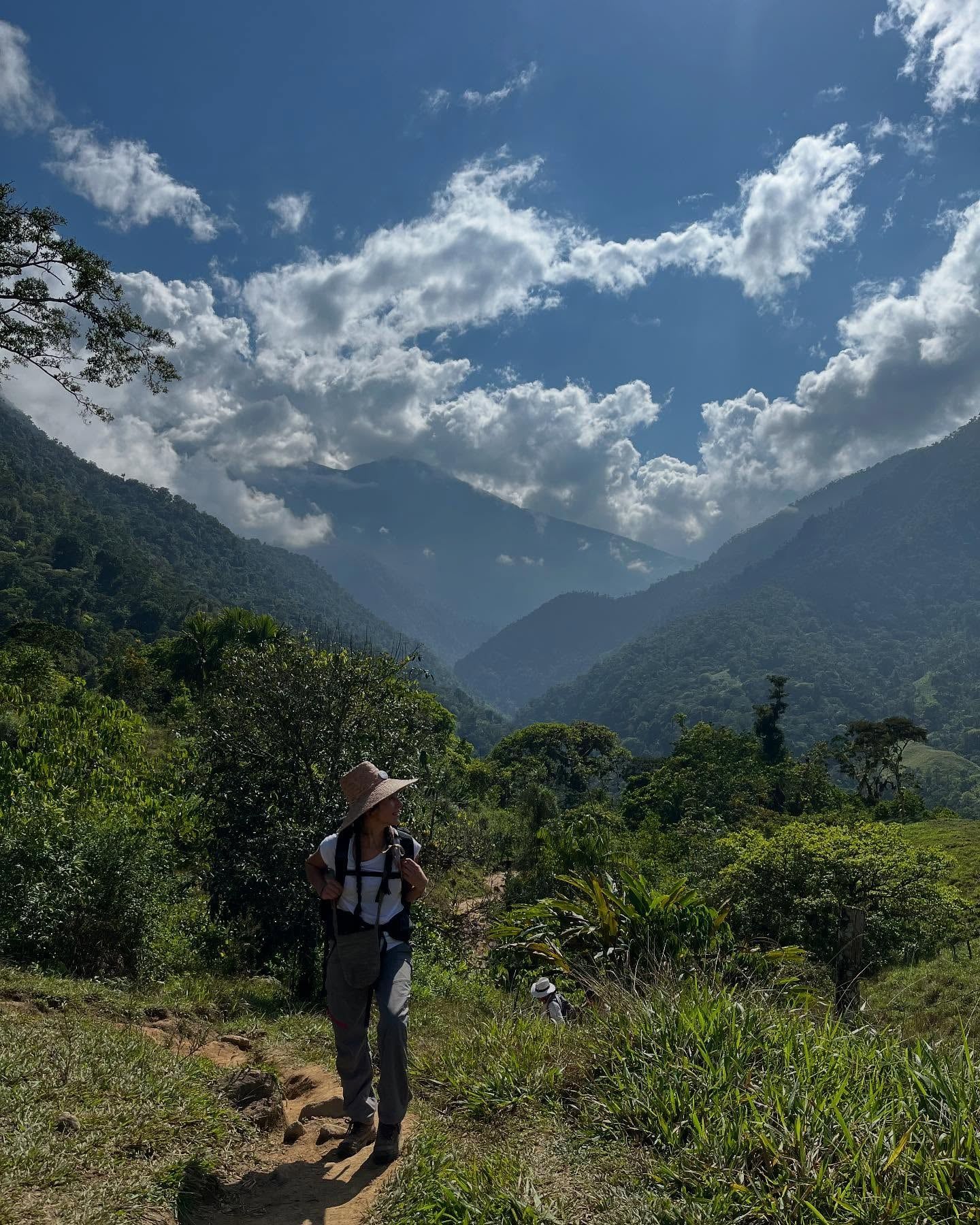
The 7.1-mile daily hiking route involves regular encounters with the Buritaca River. Depending on the season, trekkers wade directly through the cool currents or walk across narrow suspension bridges designed for a single person. Nearby natural rock pools and cascading waterfalls provide places to swim and cool down.
Hand-picked tours with free cancellation and verified reviews
The optimal window to hike the 1,200 stone steps to Ciudad Perdida is during the dry season from December through early March. During these months, trails are significantly less muddy and the Buritaca River is lower, making crossings safer.
The peak rainy season begins in March, bringing heavy rainfall and high humidity. The clay trails become extremely slippery, and rising water levels make crossing the Buritaca River hazardous.
Torrential downpours are frequent, compounding the extreme heat and high humidity. Hikers face highly slippery mud paths and difficult river crossings throughout these peak rainy season months.
Heavy rains continue to degrade trail conditions. The entire site and trail network close completely during October to allow local indigenous communities to perform sacred cleansing ceremonies.
This dry season window provides the safest hiking conditions. The Buritaca River is significantly lower for easier crossings, trails are less muddy, and visitors avoid the worst torrential downpours.
The site is officially open daily from 12:00 AM to 11:59 PM. Actual access to the ruins is managed by tour guides during daylight hours, typically starting around 7:00 AM. The trail and archaeological site are completely closed to tourists during the entire month of October to allow indigenous communities to perform sacred cleansing ceremonies.
| Category | Price |
|---|---|
| Standard Shared Tour (4 or 5 days) | 1,860,000 COP to 2,150,000 COP (approx. $521 to $602 USD) |
| Private Tour (3 or 6 days) | Variable depending on the number of participants |
There is no standalone entrance fee. Independent trekking is strictly prohibited by the government and indigenous authorities. Visitors must book an all-inclusive tour through an authorized agency, such as Wiwa Tours, Magic Tour Colombia, Turcol, or Expotur. These tour packages cover the site entrance fee, necessary permits, community contributions, round-trip transport from Santa Marta, professional guides, jungle camp accommodation, and meals.
For complete schedules and ticket prices, visit our Hours & Fees page.
Accessing the site requires an authorized, all-inclusive tour starting with a 4WD transfer from Santa Marta to the town of El Mamey. From there, visitors complete a mandatory multi-day guided hike through the dense tropical rainforest.
📍 Sierra Nevada de Santa Marta, Northeast Colombia
The standard route begins with 4WD transport from Santa Marta, passing the 12.6 km stretch from El Zaino to the La Aguacatera detour, ending at El Mamey. Hikers then cover approximately 7.1 miles (11.5 km) each day on foot. The path requires wading across the Buritaca River and navigating steep clay trails. Finally, visitors climb 1,200 stone steps to access the ruins.
This itinerary follows the same initial 4WD transfer from Santa Marta to El Mamey, also known as Machete Pelao. It spreads the demanding hike over five days, reducing the daily mileage for a slightly easier pace. Participants cross the same suspension bridges and river sections. Access to the main terraces still requires ascending the final 1,200 narrow stone steps.
Authorized agencies offer private tours for those needing a customized pace. A strenuous three-day option is available for highly fit individuals, while a six-day itinerary accommodates active seniors or young children. All private groups take the standard 4WD transport to El Mamey before starting the trek. Independent hiking is strictly prohibited, ensuring all visitors travel with licensed local guides.
For detailed transport options and routes, visit our Directions page.
Limit your gear to a 20-liter daypack containing only absolute essentials. Tour agencies provide all meals, bedding, and heavy camping gear at the jungle camps. You only need to carry personal clothes, toiletries, and a camera for the daily 7.1-mile hikes.
Store your passport, electronics, and important documents inside reliable dry bags within your backpack. The tropical rainforest environment is extremely damp. Sudden heavy downpours frequently occur in the late afternoon. These waterproof layers are essential to prevent severe water damage to valuables.
Scorpions and other venomous insects occasionally seek warmth inside footwear left out overnight at the jungle camps. Always shake out and thoroughly inspect your shoes before putting them on in the morning. This simple habit prevents painful stings before starting your daily hike.
Bring long pants, a long-sleeve shirt, and high socks specifically to wear around the camps after dark. Mosquitoes and other jungle insects become highly active in the evening. While beds feature protective nets, these lightweight clothing layers prevent bites during dinner and social hours.
The trail and archaeological site completely close to tourists every October. Local indigenous communities use this time to perform sacred cleansing ceremonies. Book your trek between December and early March instead, when the Buritaca River is lower and the clay trails are less muddy.
Pick a bunk bed or hammock located far from the communal camp washrooms to ensure better rest. Sleeping close to the facilities guarantees constant interruptions throughout the night. You will be repeatedly woken up by flushing toilets, opening doors, and the glare of other hikers' headlamps.
This coastal park features pristine Caribbean beaches, tropical forests, and dramatic landscapes. Visitors can hike through the jungle to reach Cabo San Juan for post-trek relaxation.
Located in the foothills of the Sierra Nevada, Minca is a mountain town known for its organic coffee farms and cool climate. It provides a peaceful retreat with waterfalls and birdwatching.
Often described as a smaller alternative to Ciudad Perdida, Bunkuany is an ancient Tayrona site within the Sierra Nevada. Travelers explore stone terraces and indigenous trails with fewer crowds.
Read what travelers share about their experience visiting Ciudad Perdida — from practical tips to personal highlights.
Standard shared 4-day and 5-day treks cost between 1,860,000 and 2,150,000 COP, which is approximately $521 to $602 USD. This all-inclusive price covers round-trip transport from Santa Marta, professional guides, jungle camp accommodation, meals, and park entry fees.
Independent trekking is strictly prohibited by the government and indigenous authorities. You must book an all-inclusive tour through an authorized agency like Wiwa Tours, Turcol, Magic Tour Colombia, or Expotur.
The dry season from December through early March offers the best hiking conditions, featuring lower river levels and significantly less mud. The entire trail and archaeological site close completely to tourists every October to allow indigenous communities to perform sacred ceremonies.
Tours depart from Santa Marta in a 4WD vehicle, traveling to the trailhead town of El Mamey. From there, visitors hike approximately 7.1 miles (11.5 km) per day through the jungle to reach the ruins.
Limit your gear to a 20-liter daypack containing quick-drying clothes, high-quality dry bags, and well-broken-in hiking shoes. You must also bring a reusable water bottle or hydration bladder, as single-use plastics are strictly prohibited on the trail.
The final approach to the main archaeological site requires climbing 1,200 steep, narrow stone steps. The Tairona people carved these directly into the mountainside over a thousand years ago, and they can become very slick when wet.
Active seniors over 60 and children as young as four have completed the hike, but the terrain is physically demanding. Families with young children or older hikers should book a slower-paced 6-day private itinerary to handle the 6 to 9 hours of daily walking.
Yes, potable water is provided at the jungle cabins and camps. The water is sourced from the river and chemically treated in large containers, allowing hikers to safely refill their bottles without needing purifying tablets.
Browse verified tours with free cancellation and instant confirmation.
Find Tours

